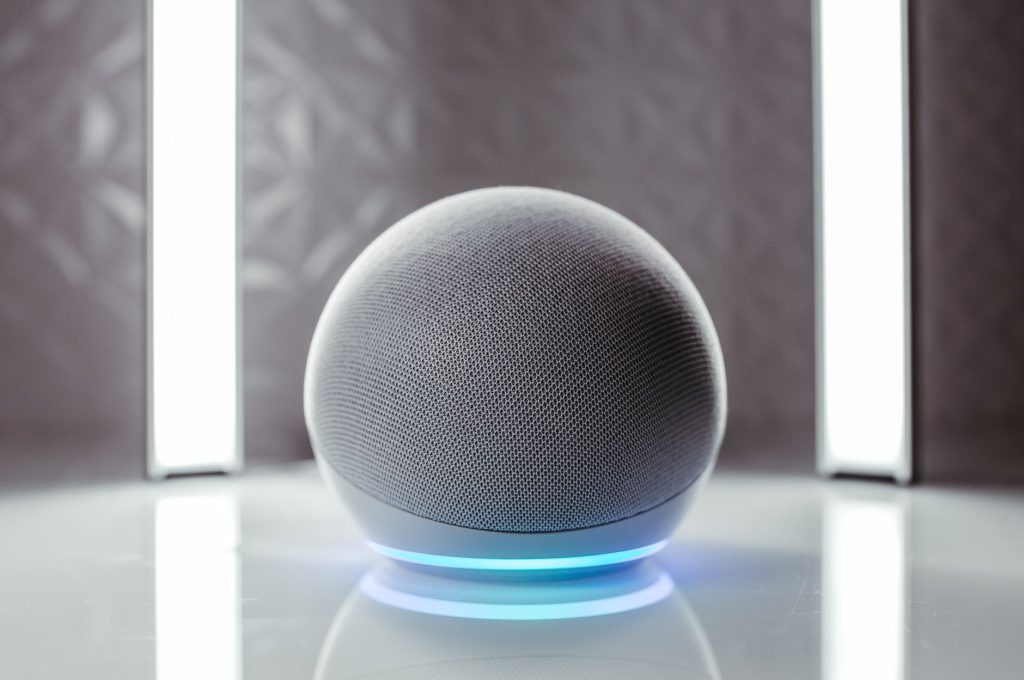
The best voice assistant question sounds simple until you realize Amazon’s Alexa runs on over 100,000 compatible devices as of late 2023. That number dwarfs every competitor, yet Alexa still trails Google Assistant on raw voice recognition accuracy in most independent tests. So “best” really does depend on what you’re trying to do.
I’ve spent a fair amount of time this year switching between setups, partly for work and partly because I’m the person friends call when their smart speaker does something baffling. The marketing around these assistants is mostly useless, from what I’ve seen. Real differences show up in edge cases: thick accents, noisy kitchens, multi-step requests, and what happens when a device isn’t on the approved compatibility list.
This piece weighs the main contenders on things that actually matter: accuracy, satisfaction scores, market share, unique features, and what you’ll pay for premium tiers. I’ve tried to be honest where I’m genuinely unsure.
Top Voice Assistants of 2023
The main four are Google Assistant, Amazon Alexa, Apple Siri, and Microsoft Cortana, though Cortana has been quietly retreating from consumer use since mid-2023. Samsung’s Bixby deserves a mention, especially if you own a Galaxy device, but its third-party app support is limited enough that most people use it only when they have to. Google Assistant leads on language understanding in most benchmarks I’ve seen. Alexa wins on device breadth, and Siri is tightest within the Apple ecosystem, which is either a strength or an annoyance depending on your setup. Cortana in 2023 is basically a productivity tool inside Microsoft 365, not a general-purpose assistant anymore.
User Satisfaction Ratings
The American Customer Satisfaction Index for 2023 placed Google Assistant and Alexa within a few points of each other, both scoring in the low-to-mid 70s out of 100. Siri scored slightly lower, with users frequently citing inconsistent responses to the same question asked twice. Bixby scored lowest of the named assistants, though Samsung users tend to tolerate it rather than choose it.
Satisfaction scores are slippery because they blend casual users with power users. A person who only asks for weather and timers will rate Alexa very highly. But someone managing a complex smart home across multiple brands may feel differently. From what I’ve seen in enthusiast forums, multi-room audio reliability and third-party integration failures are the two things that most reliably tank satisfaction scores on any platform.
Market Share and Trends
Amazon holds the largest installed base in smart speakers globally, with Statista estimates putting Alexa-enabled devices at roughly 35% of the market through 2023. Google sits around 25 to 28%. Apple’s HomePod line has grown since the HomePod mini launched but still accounts for somewhere under 15% in most estimates. The rest is fragmented across Bixby, Cortana, and regional players.
The trend worth watching is on-device processing. Both Apple and Google have pushed more voice recognition onto the device itself rather than the cloud, which improves response time and, in theory, privacy. Amazon has been slower here, and that’s starting to matter to buyers who are wary of cloud-dependent setups.
Unique Features Worth Knowing
Each assistant has at least one thing it does noticeably better than the others.
- Google Assistant: best contextual follow-up questions and Google Search integration
- Alexa: widest smart home device compatibility and most active third-party skill library
- Siri: tight Apple device handoff, solid offline query handling since iOS 17
- Bixby: deep Samsung device control, including camera and settings access other assistants can’t touch
- Cortana: Microsoft 365 calendar and email integration, now focused almost entirely on enterprise
Google Assistant’s contextual memory within a single conversation is genuinely better than the competition, in my experience. You can ask “who directed Oppenheimer?” then follow with “what else has he done?” and it tracks correctly. Alexa tends to treat each query as fresh, which gets irritating fast.
Pricing and Value
Entry-level hardware is cheap across the board. An Echo Dot runs around $50, a Google Nest Mini around $50 to $55, and a HomePod mini sits at $99. The gap widens at the premium end: a full-size HomePod is $299, the Echo Studio is $200, and Google’s Nest Audio lands at $100 (which many reviewers consider the best sound-per-dollar in the category).
Software tiers are less talked about. Amazon offers an Alexa+ subscription for expanded skills and smarter routines. Apple Intelligence features rolling out through late 2023 require an iPhone 15 Pro or newer, which is effectively a $999-plus hardware paywall. Google’s advanced Assistant features on Pixel devices are included, giving Pixel phones genuinely good value if you’re already in that ecosystem.
Where This Is Heading
The best voice assistant in two years probably looks different from today. Every major player is integrating language model capabilities to handle more natural, multi-step conversations. Google has a clear head start given its AI research depth, but Amazon has been surprisingly fast with Alexa updates. Apple is playing a long game around on-device privacy, which may win over a specific audience even if it’s slower to ship new features.
One thing I’m genuinely uncertain about: whether voice stays the primary interface or shifts toward a blend of voice and screen. The Echo Show and Nest Hub lines both suggest the companies themselves aren’t entirely sure. For a pure audio setup, Google Assistant edges ahead on accuracy and contextual smarts. If device compatibility matters most, Alexa still wins easily.
FAQs
What is the best voice assistant in 2023?
Google Assistant leads on accuracy and contextual understanding; Alexa wins on device compatibility. For Apple households, Siri’s ecosystem integration makes it the practical default.
How do voice assistants compare in accuracy?
Google Assistant consistently scores highest in independent voice recognition tests, typically a few percentage points ahead of Alexa, with Siri and Bixby trailing in most benchmarks.
Are there budget-friendly voice assistant options?
An Echo Dot or Google Nest Mini at around $50 gives you full assistant access; both regularly drop to $25 to $35 during sales events.